
Turn Any Space Into the Perfect Climate
Reliable air conditioning solutions designed around your space.

Can Air Conditioning Heat Your Home? | ASAC Essex

If you’re considering installing air conditioning in your home, one of the first questions that often comes up is whether planning permission is required . In most cases, domestic air conditioning systems can be installed without planning permission, but there are a few situations where additional approval may be needed. Understanding the rules before installation can help ensure the process runs smoothly. When Planning Permission Is Usually Not Required For most standard residential properties in the UK, installing a wall-mounted split air conditioning system falls under permitted development rights . This means planning permission is not normally required provided certain conditions are met. Typical situations where planning permission is usually not required include: Installing a single outdoor condenser unit for domestic use The unit is positioned discreetly on the side or rear of the property The installation does not significantly alter the appearance of the building The system operates within normal noise limits Because outdoor units are generally compact and quiet, they rarely cause planning concerns when installed correctly. Situations Where Permission May Be Required There are some cases where planning approval may be necessary. Listed Buildings If your property is a listed building , permission will usually be required before installing an air conditioning system. This is because listed properties are protected due to their architectural or historic significance. Conservation Areas Homes located within conservation areas may also face additional restrictions, particularly if the outdoor unit would be visible from the street or impact the character of the area. Flats and Leasehold Properties If you live in a flat or apartment , the building owner or management company may require permission before installing an outdoor unit. Leasehold agreements often include rules about exterior alterations to the building. Multiple Outdoor Units If a property requires several outdoor units, local authorities may review the installation more closely, particularly in dense residential areas. Noise Considerations Modern air conditioning systems are designed to operate very quietly, but local councils may still require that equipment does not create excessive noise for neighbouring properties. Professional installers typically ensure systems are positioned and configured to remain within acceptable limits. The Importance of Professional Installation Working with experienced installers helps ensure your system is installed in line with local guidelines and building regulations. Professional engineers will consider factors such as: Suitable placement of outdoor units Noise levels Electrical safety System efficiency and performance They can also advise if any approvals may be required for your property. Final Thoughts For most homeowners in the UK, installing domestic air conditioning does not require planning permission , particularly when a single outdoor unit is installed discreetly. However, if your property is listed, located in a conservation area, or part of a leasehold building, additional permissions may be needed. If you’re unsure, it’s always best to seek professional advice before installation. A quick assessment can help ensure everything is compliant and that your new air conditioning system delivers comfortable, efficient climate control all year round.

Temperature, air quality and humidity all affect how easily we fall asleep and how well we stay asleep. See how aircon makes a better night’s rest.
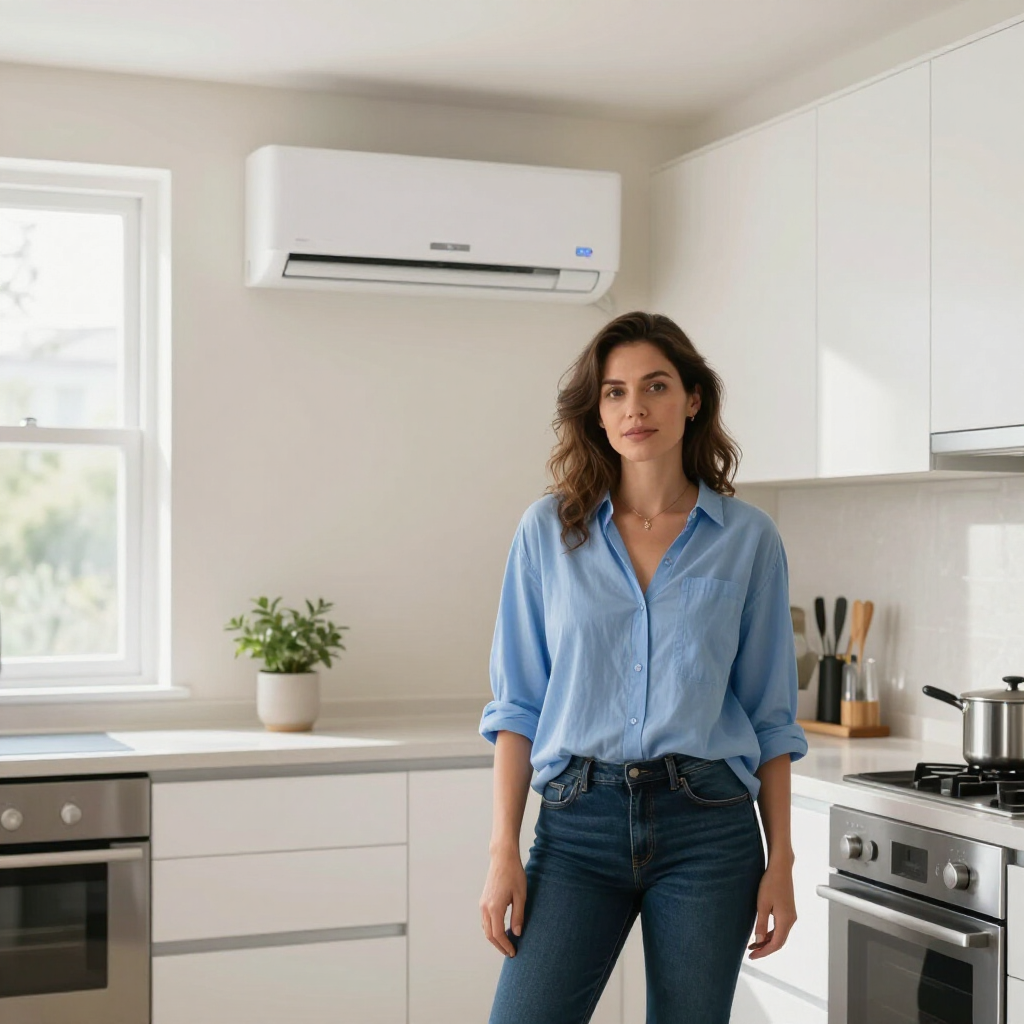
Will air-conditioning significantly increase your energy bill. Read our quick article to find out about the efficiencies of modern air conditioning units.
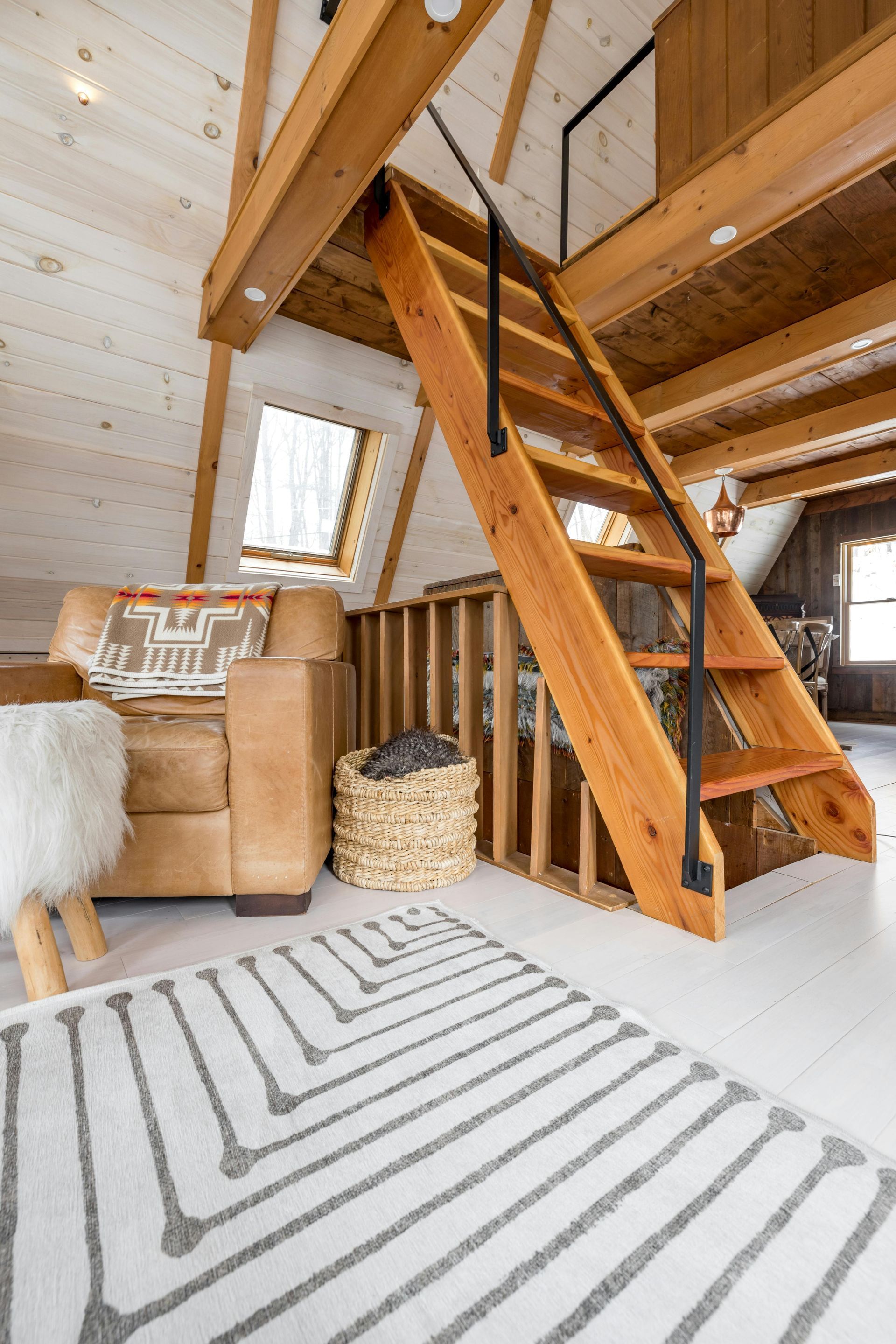
Bedrooms and loft rooms are often the warmest areas of a home, especially during summer months. If you suffer with hot spaces, get in touch.
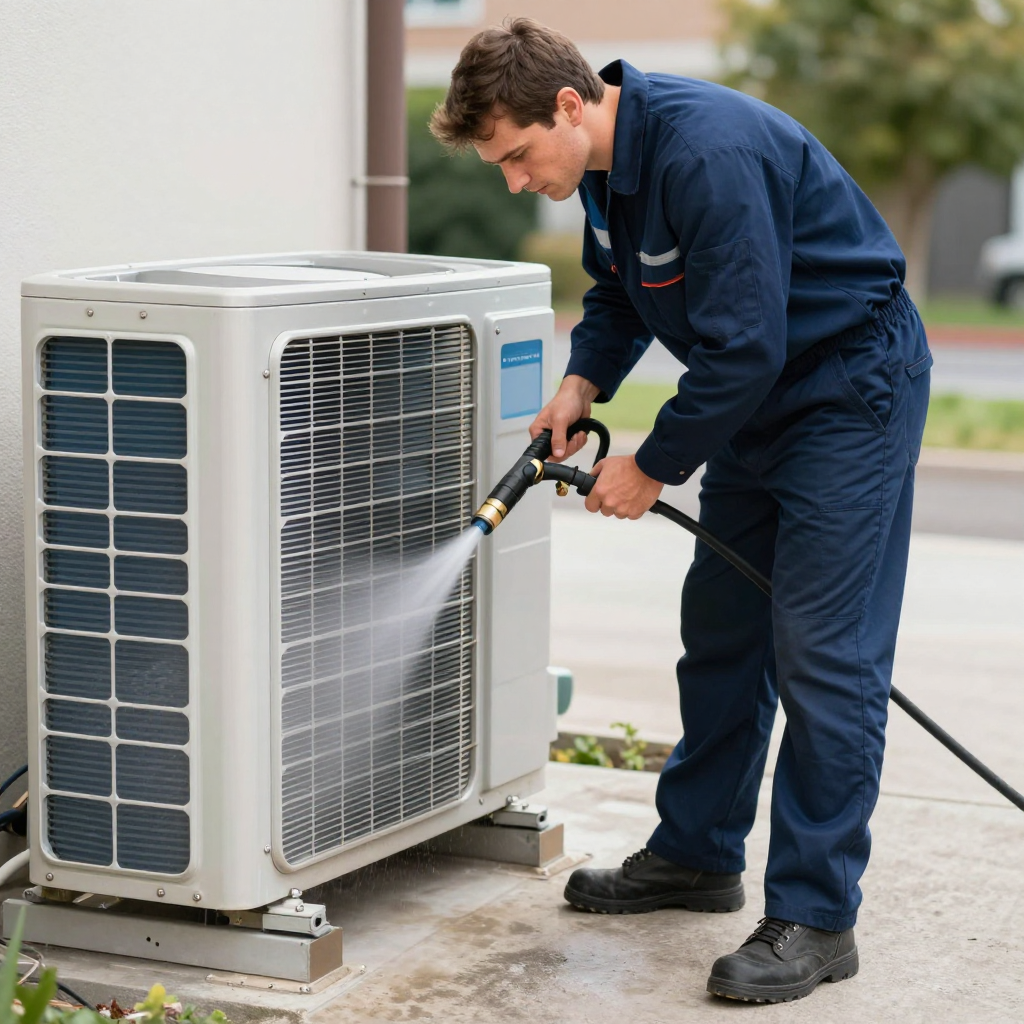
Is bigger better? Not when it comes to measuring up for your air-con system. Learn more & use our instant calculator and then book in a full engineer survey!
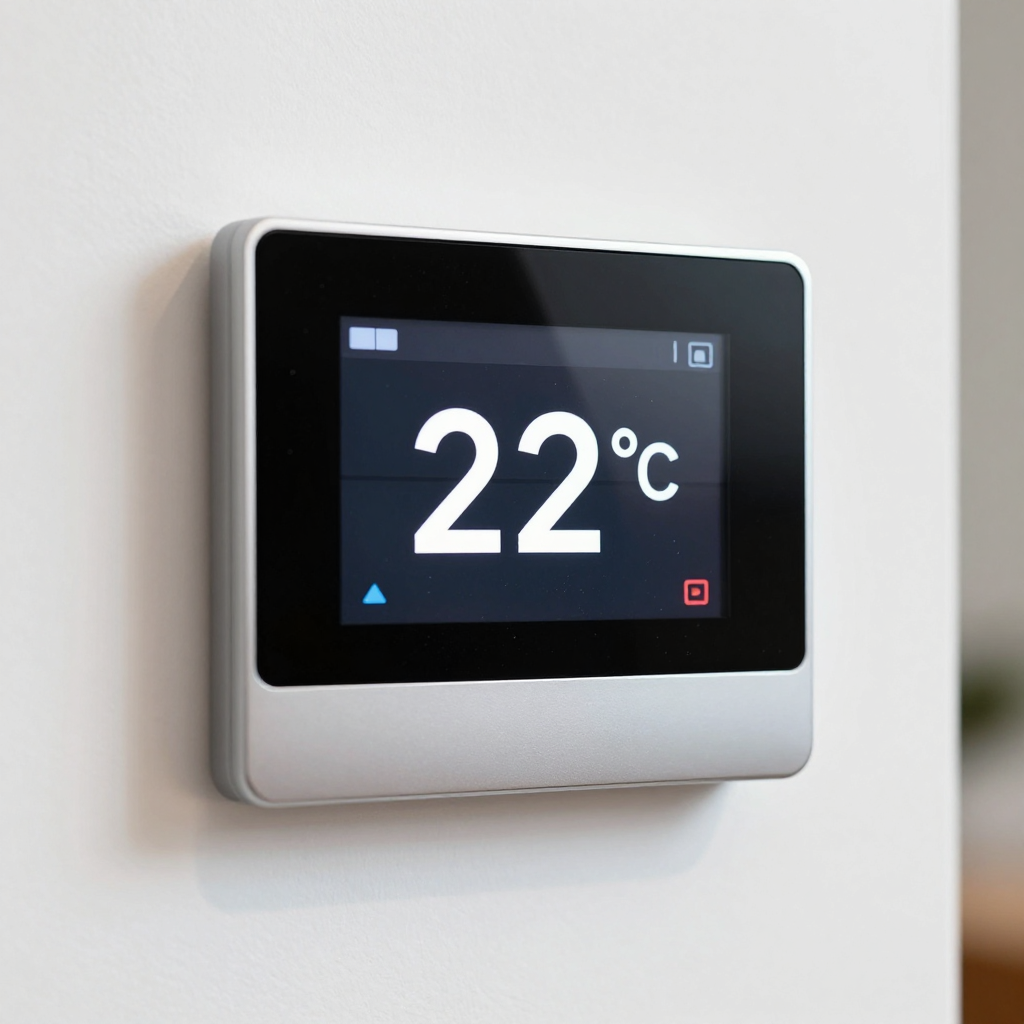
Your thermostat plays a key role in maintaining comfort while managing energy consumption. By optimising your thermostat settings and adopting a few simple efficiency habits, you can significantly improve how effectively your air conditioning system operates. Small adjustments can lead to noticeable savings without sacrificing comfort. Choosing the Right Temperature Setting your thermostat too low can cause your system to work harder than necessary, increasing energy use and putting extra strain on equipment. During warmer months, many experts recommend setting the thermostat around 24–26°C for cooling. This range generally provides a comfortable indoor environment while maintaining good energy efficiency. For heating in colder months, a setting between 18–21°C is typically sufficient for most homes. Using Programmable or Smart Thermostats Programmable and smart thermostats can automatically adjust temperatures throughout the day based on your schedule. For example, temperatures can be slightly higher while you are away from home and return to a comfortable level before you arrive. This avoids unnecessary cooling or heating when rooms are unoccupied. Smart systems can also learn household routines and allow remote control via mobile apps. Improving Overall Household Efficiency Thermostat optimisation works best when combined with other simple efficiency measures: Close blinds or curtains during hot weather Reducing direct sunlight helps keep indoor spaces cooler. Use ceiling fans where possible Fans improve air circulation, allowing you to feel comfortable at slightly higher temperatures. Keep air filters clean Clogged filters restrict airflow and force systems to work harder. Avoid heat-generating appliances during peak heat Ovens, dryers and other appliances can increase indoor temperatures during hot periods. Consistency Is Key Constantly adjusting the thermostat can actually reduce efficiency. Maintaining a consistent temperature helps your system operate more effectively and reduces unnecessary cycling. Getting the Most From Your System Regular servicing ensures your air conditioning system continues to perform efficiently. A well-maintained system responds better to thermostat settings, uses less energy and provides more reliable comfort. With the right settings and a few simple efficiency habits, homeowners can enjoy a comfortable indoor environment while keeping energy use under control.
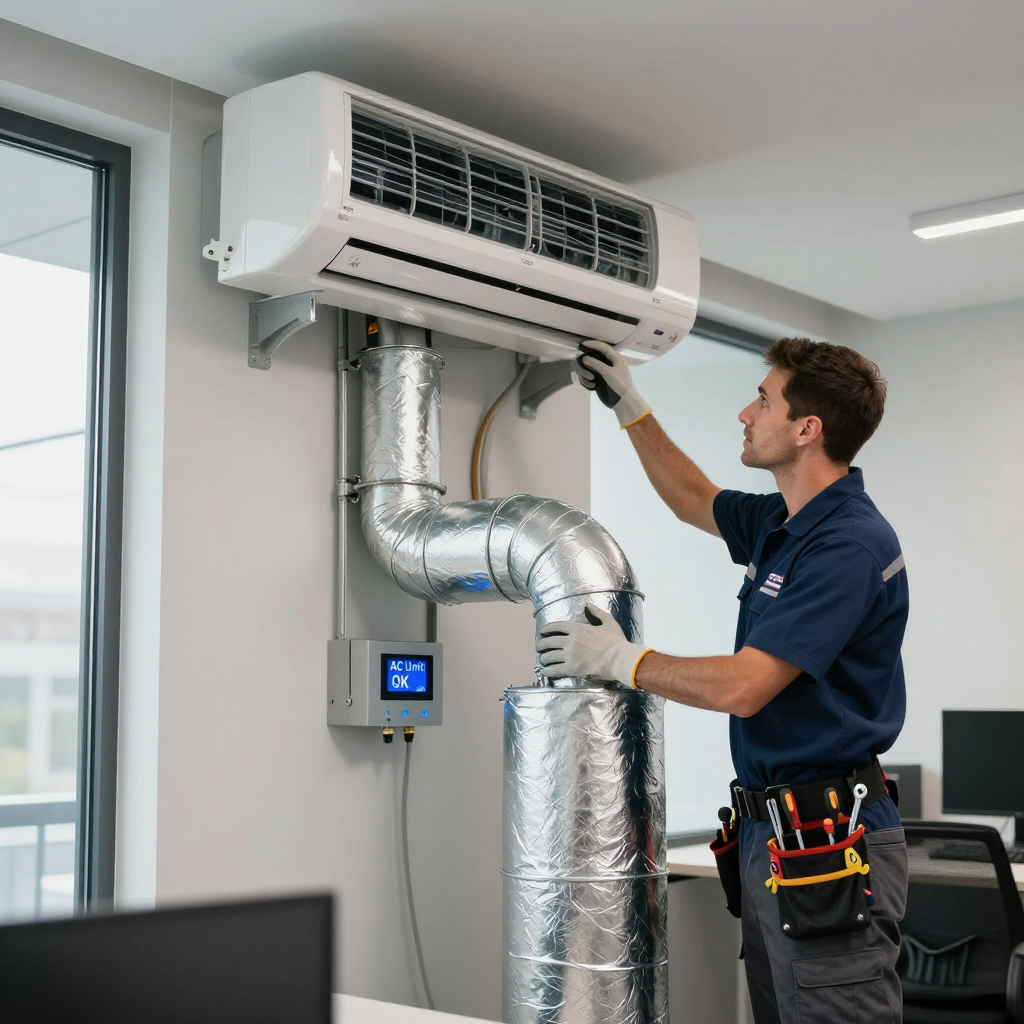
Many homeowners are surprised to learn how much energy is lost through small gaps and poorly insulated ductwork. Even a well-designed air conditioning system can struggle to perform efficiently if cool air escapes before reaching the rooms where it’s needed.
Alata
Alice
Open Sans
Noto Sans
Bebas Neue
Great Vibes
Rock Salt
Exo
Belgrano
Overlock
Cinzel
Indie Flower
Staatliches
Roboto Slab
Lato
Noto Serif
Open Sans
Montserrat
Ubuntu
Rubik
Delius
Amiri
Montserrat